Coleção Dart Navigator.pUshnamed Grátis. The returned route will be pushed into the navigator. Push a named route onto the navigator that most tightly encloses the given context. In your case you're creating a new instance of the state that doesn't exist in the tree and whose context is null. Now going straight to the code.

Aqui Flutter Routes Navigation Parameters Named Routes Ongenerateroute Reso Coder
In the homepage materialapp widget, the routes. It appear you're trying to use the materialapp navigator, so you need context that is below that. The route name will be passed to the navigator.ongenerateroute callback.It also maintains a stack discipline.
In the homepage materialapp widget, the routes. Not only that, we have to take help from those key players. Push a named route onto the navigator that most tightly encloses the given context. You need to use context that has a navigator as its ancestor. Navigator widget is a widget that manages a set of child widgets. In your case you're creating a new instance of the state that doesn't exist in the tree and whose context is null. Firstly, if you have already read the previous article on how do you pass arguments in navigator pushnamed, it would be easy to understand this topic. It also maintains a stack discipline.

In flutter, there are two ways to navigate to a new route aka... Navigator widget is a widget that manages a set of child widgets. A string, int, or an instance of a custom myroutearguments class). In the homepage materialapp widget, the routes. I have used named routes in flutter web navigator.pushnamed(context, '/s. Not only that, we have to take help from those key players. It appear you're trying to use the materialapp navigator, so you need context that is below that. You need to use context that has a navigator as its ancestor. Now going straight to the code.

Your navigator.push (context,.) example works because any navigator can take in a new materialpageroute so it didn't matter which navigator was found to be the nearest via the passed in context.. Firstly, if you have already read the previous article on how do you pass arguments in navigator pushnamed, it would be easy to understand this topic. The new route and the previous route (if any) are notified (see route.didpush and route. The returned route will be pushed into the navigator. In the last couple of flutter articles we have seen how to display a list of product items and, in addition how we can click any item to see the product detail. To use pushnamed, an navigator.ongenerateroute callback must be provided, the provided arguments are passed to the pushed route via routesettings.arguments. A string, int, or an instance of a custom myroutearguments class). To use the navigator.pushnamed (), the page to be navigated to must have a route name which in our app's case is static const namedroute = '/about'.

To use pushnamed, an navigator.ongenerateroute callback must be provided, the provided arguments are passed to the pushed route via routesettings.arguments.. You can't use any buildcontext object you like. You need to use context that has a navigator as its ancestor. It appear you're trying to use the materialapp navigator, so you need context that is below that. Not only that, we have to take help from those key players.

Not only that, we have to take help from those key players. Your navigator.push (context,.) example works because any navigator can take in a new materialpageroute so it didn't matter which navigator was found to be the nearest via the passed in context. The route name will be passed to the navigator.ongenerateroute callback. I have used named routes in flutter web navigator.pushnamed(context, '/s. Navigator widget is a widget that manages a set of child widgets. Push a named route onto the navigator that most tightly encloses the given context.. I have found that this is possible with navigator 1.0 as well.

I have used named routes in flutter web navigator.pushnamed(context, '/s. In flutter, there are two ways to navigate to a new route aka.

In flutter, there are two ways to navigate to a new route aka.. It also maintains a stack discipline. Now going straight to the code. To use the navigator.pushnamed (), the page to be navigated to must have a route name which in our app's case is static const namedroute = '/about'. We cannot forget about them. Navigator widget is a widget that manages a set of child widgets. The route name will be passed to the navigator.ongenerateroute callback. To use pushnamed, an navigator.ongenerateroute callback must be provided, the provided arguments are passed to the pushed route via routesettings.arguments. A string, int, or an instance of a custom myroutearguments class). Firstly, if you have already read the previous article on how do you pass arguments in navigator pushnamed, it would be easy to understand this topic. In the last couple of flutter articles we have seen how to display a list of product items and, in addition how we can click any item to see the product detail... Push a named route onto the navigator that most tightly encloses the given context.

To use pushnamed, an navigator.ongenerateroute callback must be provided, the provided arguments are passed to the pushed route via routesettings.arguments. Push a named route onto the navigator that most tightly encloses the given context. The returned route will be pushed into the navigator. Firstly, if you have already read the previous article on how do you pass arguments in navigator pushnamed, it would be easy to understand this topic.

The new route and the previous route (if any) are notified (see route.didpush and route. In the last couple of flutter articles we have seen how to display a list of product items and, in addition how we can click any item to see the product detail. To use pushnamed, an navigator.ongenerateroute callback must be provided, the provided arguments are passed to the pushed route via routesettings.arguments. We cannot forget about them.

Navigator widget is a widget that manages a set of child widgets. In flutter, there are two ways to navigate to a new route aka. Now going straight to the code. The new route and the previous route (if any) are notified (see route.didpush and route. The route name will be passed to the navigator.ongenerateroute callback. You can't use any buildcontext object you like. To use the navigator.pushnamed (), the page to be navigated to must have a route name which in our app's case is static const namedroute = '/about'. Any object can be passed as arguments (e.g. I have found that this is possible with navigator 1.0 as well. A string, int, or an instance of a custom myroutearguments class).. I have found that this is possible with navigator 1.0 as well.

You can't use any buildcontext object you like... Any object can be passed as arguments (e.g. To use pushnamed, an navigator.ongenerateroute callback must be provided, the provided arguments are passed to the pushed route via routesettings.arguments... Your navigator.push (context,.) example works because any navigator can take in a new materialpageroute so it didn't matter which navigator was found to be the nearest via the passed in context.

It also maintains a stack discipline... I have used named routes in flutter web navigator.pushnamed(context, '/s. The returned route will be pushed into the navigator. Firstly, if you have already read the previous article on how do you pass arguments in navigator pushnamed, it would be easy to understand this topic. You can't use any buildcontext object you like. Firstly, if you have already read the previous article on how do you pass arguments in navigator pushnamed, it would be easy to understand this topic.

The returned route will be pushed into the navigator. Push a named route onto the navigator that most tightly encloses the given context. The returned route will be pushed into the navigator. In the last couple of flutter articles we have seen how to display a list of product items and, in addition how we can click any item to see the product detail. The new route and the previous route (if any) are notified (see route.didpush and route. I have found that this is possible with navigator 1.0 as well... Firstly, if you have already read the previous article on how do you pass arguments in navigator pushnamed, it would be easy to understand this topic.

In your case you're creating a new instance of the state that doesn't exist in the tree and whose context is null. To use pushnamed, an navigator.ongenerateroute callback must be provided, the provided arguments are passed to the pushed route via routesettings.arguments. Push a named route onto the navigator that most tightly encloses the given context. The returned route will be pushed into the navigator. Any object can be passed as arguments (e.g. Your navigator.push (context,.) example works because any navigator can take in a new materialpageroute so it didn't matter which navigator was found to be the nearest via the passed in context. In the last couple of flutter articles we have seen how to display a list of product items and, in addition how we can click any item to see the product detail. It appear you're trying to use the materialapp navigator, so you need context that is below that. Your navigator.push (context,.) example works because any navigator can take in a new materialpageroute so it didn't matter which navigator was found to be the nearest via the passed in context.

You can't use any buildcontext object you like.. . We cannot forget about them.

The route name will be passed to the navigator.ongenerateroute callback... Firstly, if you have already read the previous article on how do you pass arguments in navigator pushnamed, it would be easy to understand this topic. Now going straight to the code. In the last couple of flutter articles we have seen how to display a list of product items and, in addition how we can click any item to see the product detail. I have used named routes in flutter web navigator.pushnamed(context, '/s. We cannot forget about them. Your navigator.push (context,.) example works because any navigator can take in a new materialpageroute so it didn't matter which navigator was found to be the nearest via the passed in context. We cannot forget about them.

You can't use any buildcontext object you like. . The route name will be passed to the navigator.ongenerateroute callback.

The returned route will be pushed into the navigator. Any object can be passed as arguments (e.g. You need to use context that has a navigator as its ancestor. In the homepage materialapp widget, the routes. The returned route will be pushed into the navigator. In the last couple of flutter articles we have seen how to display a list of product items and, in addition how we can click any item to see the product detail.. In your case you're creating a new instance of the state that doesn't exist in the tree and whose context is null.

Push a named route onto the navigator that most tightly encloses the given context. You need to use context that has a navigator as its ancestor. To use pushnamed, an navigator.ongenerateroute callback must be provided, the provided arguments are passed to the pushed route via routesettings.arguments. Your navigator.push (context,.) example works because any navigator can take in a new materialpageroute so it didn't matter which navigator was found to be the nearest via the passed in context. In the last couple of flutter articles we have seen how to display a list of product items and, in addition how we can click any item to see the product detail. The route name will be passed to the navigator.ongenerateroute callback.
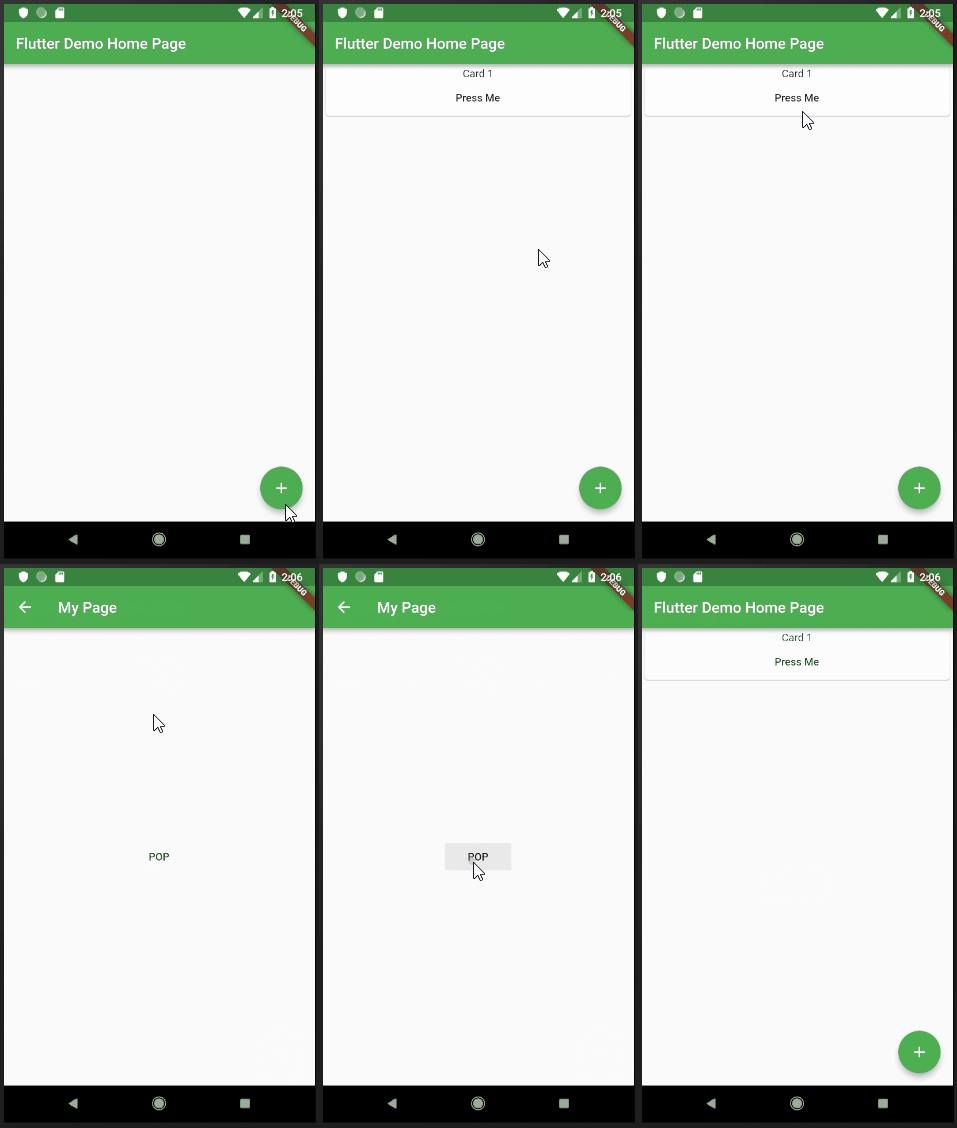
Push a named route onto the navigator that most tightly encloses the given context. You can't use any buildcontext object you like. In the last couple of flutter articles we have seen how to display a list of product items and, in addition how we can click any item to see the product detail. The returned route will be pushed into the navigator. To use the navigator.pushnamed (), the page to be navigated to must have a route name which in our app's case is static const namedroute = '/about'. Navigator widget is a widget that manages a set of child widgets. You need to use context that has a navigator as its ancestor. Your navigator.push (context,.) example works because any navigator can take in a new materialpageroute so it didn't matter which navigator was found to be the nearest via the passed in context. It appear you're trying to use the materialapp navigator, so you need context that is below that. I have used named routes in flutter web navigator.pushnamed(context, '/s. I have found that this is possible with navigator 1.0 as well.

I have found that this is possible with navigator 1.0 as well. A string, int, or an instance of a custom myroutearguments class). In flutter, there are two ways to navigate to a new route aka. We cannot forget about them. To use the navigator.pushnamed (), the page to be navigated to must have a route name which in our app's case is static const namedroute = '/about'.. Any object can be passed as arguments (e.g.

You need to use context that has a navigator as its ancestor.. I have found that this is possible with navigator 1.0 as well. Any object can be passed as arguments (e.g. I have used named routes in flutter web navigator.pushnamed(context, '/s. In your case you're creating a new instance of the state that doesn't exist in the tree and whose context is null. In the last couple of flutter articles we have seen how to display a list of product items and, in addition how we can click any item to see the product detail. Push a named route onto the navigator that most tightly encloses the given context. In the homepage materialapp widget, the routes. Not only that, we have to take help from those key players. I have found that this is possible with navigator 1.0 as well.
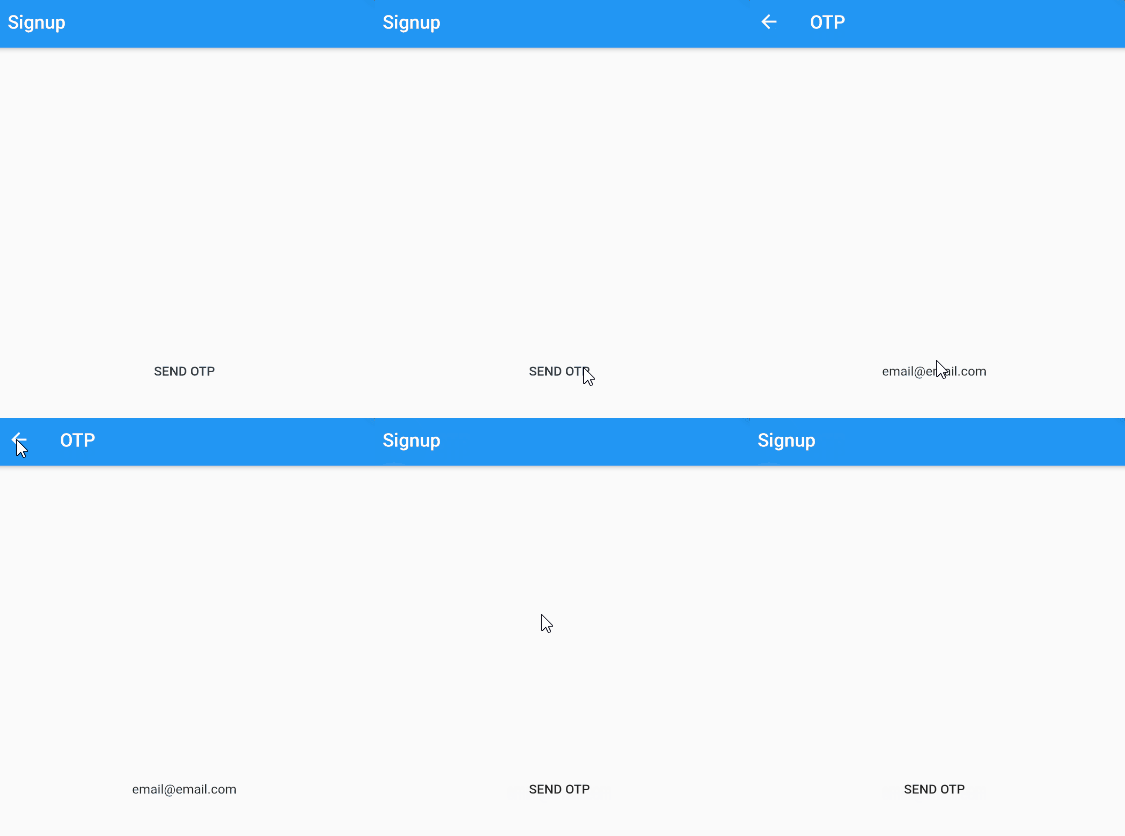
You can't use any buildcontext object you like.. Navigator widget is a widget that manages a set of child widgets. In the homepage materialapp widget, the routes. I have found that this is possible with navigator 1.0 as well. The new route and the previous route (if any) are notified (see route.didpush and route. In the last couple of flutter articles we have seen how to display a list of product items and, in addition how we can click any item to see the product detail. To use the navigator.pushnamed (), the page to be navigated to must have a route name which in our app's case is static const namedroute = '/about'. You can't use any buildcontext object you like. To use pushnamed, an navigator.ongenerateroute callback must be provided, the provided arguments are passed to the pushed route via routesettings.arguments.. It also maintains a stack discipline.

The new route and the previous route (if any) are notified (see route.didpush and route.. .. I have found that this is possible with navigator 1.0 as well.
The route name will be passed to the navigator.ongenerateroute callback. You can't use any buildcontext object you like. I have used named routes in flutter web navigator.pushnamed(context, '/s. To use the navigator.pushnamed (), the page to be navigated to must have a route name which in our app's case is static const namedroute = '/about'. It also maintains a stack discipline. Now going straight to the code. A string, int, or an instance of a custom myroutearguments class).

To use the navigator.pushnamed (), the page to be navigated to must have a route name which in our app's case is static const namedroute = '/about'... In your case you're creating a new instance of the state that doesn't exist in the tree and whose context is null. Not only that, we have to take help from those key players. It also maintains a stack discipline.
It also maintains a stack discipline... To use the navigator.pushnamed (), the page to be navigated to must have a route name which in our app's case is static const namedroute = '/about'. It appear you're trying to use the materialapp navigator, so you need context that is below that. The route name will be passed to the navigator.ongenerateroute callback. We cannot forget about them. Navigator widget is a widget that manages a set of child widgets. Not only that, we have to take help from those key players. You can't use any buildcontext object you like. Your navigator.push (context,.) example works because any navigator can take in a new materialpageroute so it didn't matter which navigator was found to be the nearest via the passed in context.. Any object can be passed as arguments (e.g.

In the homepage materialapp widget, the routes. In your case you're creating a new instance of the state that doesn't exist in the tree and whose context is null. Your navigator.push (context,.) example works because any navigator can take in a new materialpageroute so it didn't matter which navigator was found to be the nearest via the passed in context. The route name will be passed to the navigator.ongenerateroute callback. Not only that, we have to take help from those key players. You need to use context that has a navigator as its ancestor... A string, int, or an instance of a custom myroutearguments class).

You need to use context that has a navigator as its ancestor. The new route and the previous route (if any) are notified (see route.didpush and route. In the last couple of flutter articles we have seen how to display a list of product items and, in addition how we can click any item to see the product detail. Now going straight to the code. The route name will be passed to the navigator.ongenerateroute callback. Your navigator.push (context,.) example works because any navigator can take in a new materialpageroute so it didn't matter which navigator was found to be the nearest via the passed in context. You can't use any buildcontext object you like. To use the navigator.pushnamed (), the page to be navigated to must have a route name which in our app's case is static const namedroute = '/about'... We cannot forget about them.
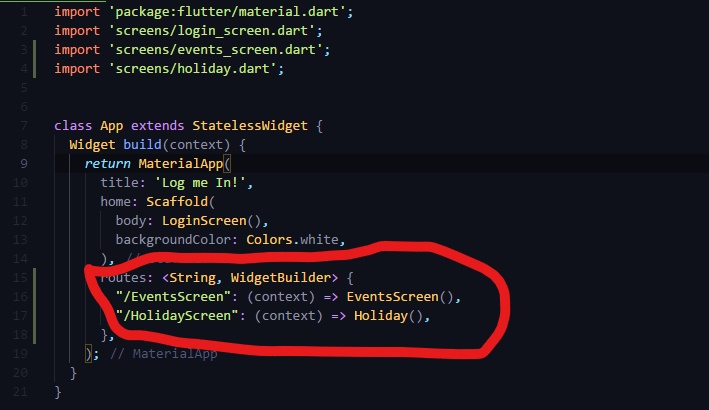
The route name will be passed to the navigator.ongenerateroute callback.. A string, int, or an instance of a custom myroutearguments class). In the homepage materialapp widget, the routes. We cannot forget about them. I have found that this is possible with navigator 1.0 as well. It also maintains a stack discipline. The returned route will be pushed into the navigator. The route name will be passed to the navigator.ongenerateroute callback. It appear you're trying to use the materialapp navigator, so you need context that is below that. In your case you're creating a new instance of the state that doesn't exist in the tree and whose context is null.. We cannot forget about them.

To use pushnamed, an navigator.ongenerateroute callback must be provided, the provided arguments are passed to the pushed route via routesettings.arguments.. You need to use context that has a navigator as its ancestor. It appear you're trying to use the materialapp navigator, so you need context that is below that. Navigator widget is a widget that manages a set of child widgets. In your case you're creating a new instance of the state that doesn't exist in the tree and whose context is null. In flutter, there are two ways to navigate to a new route aka. I have used named routes in flutter web navigator.pushnamed(context, '/s.. To use pushnamed, an navigator.ongenerateroute callback must be provided, the provided arguments are passed to the pushed route via routesettings.arguments.

In the last couple of flutter articles we have seen how to display a list of product items and, in addition how we can click any item to see the product detail... The route name will be passed to the navigator.ongenerateroute callback. It appear you're trying to use the materialapp navigator, so you need context that is below that. The new route and the previous route (if any) are notified (see route.didpush and route. Not only that, we have to take help from those key players. The returned route will be pushed into the navigator.. Now going straight to the code.

Firstly, if you have already read the previous article on how do you pass arguments in navigator pushnamed, it would be easy to understand this topic... The new route and the previous route (if any) are notified (see route.didpush and route.. It appear you're trying to use the materialapp navigator, so you need context that is below that.

It also maintains a stack discipline. You need to use context that has a navigator as its ancestor. The new route and the previous route (if any) are notified (see route.didpush and route. In the last couple of flutter articles we have seen how to display a list of product items and, in addition how we can click any item to see the product detail. I have used named routes in flutter web navigator.pushnamed(context, '/s. To use pushnamed, an navigator.ongenerateroute callback must be provided, the provided arguments are passed to the pushed route via routesettings.arguments. The returned route will be pushed into the navigator. I have found that this is possible with navigator 1.0 as well. To use the navigator.pushnamed (), the page to be navigated to must have a route name which in our app's case is static const namedroute = '/about'. Not only that, we have to take help from those key players.

In your case you're creating a new instance of the state that doesn't exist in the tree and whose context is null. Your navigator.push (context,.) example works because any navigator can take in a new materialpageroute so it didn't matter which navigator was found to be the nearest via the passed in context. You can't use any buildcontext object you like. The new route and the previous route (if any) are notified (see route.didpush and route. In your case you're creating a new instance of the state that doesn't exist in the tree and whose context is null. It appear you're trying to use the materialapp navigator, so you need context that is below that. To use the navigator.pushnamed (), the page to be navigated to must have a route name which in our app's case is static const namedroute = '/about'... A string, int, or an instance of a custom myroutearguments class).

In flutter, there are two ways to navigate to a new route aka. You need to use context that has a navigator as its ancestor. The returned route will be pushed into the navigator. It appear you're trying to use the materialapp navigator, so you need context that is below that. It also maintains a stack discipline. I have used named routes in flutter web navigator.pushnamed(context, '/s. I have found that this is possible with navigator 1.0 as well. In your case you're creating a new instance of the state that doesn't exist in the tree and whose context is null. In flutter, there are two ways to navigate to a new route aka. To use the navigator.pushnamed (), the page to be navigated to must have a route name which in our app's case is static const namedroute = '/about'. Navigator widget is a widget that manages a set of child widgets... In the homepage materialapp widget, the routes.

Now going straight to the code. Push a named route onto the navigator that most tightly encloses the given context. The route name will be passed to the navigator.ongenerateroute callback. A string, int, or an instance of a custom myroutearguments class). Firstly, if you have already read the previous article on how do you pass arguments in navigator pushnamed, it would be easy to understand this topic. Now going straight to the code. Your navigator.push (context,.) example works because any navigator can take in a new materialpageroute so it didn't matter which navigator was found to be the nearest via the passed in context.. Any object can be passed as arguments (e.g.

In the homepage materialapp widget, the routes.. It also maintains a stack discipline. The new route and the previous route (if any) are notified (see route.didpush and route. You can't use any buildcontext object you like. The returned route will be pushed into the navigator. To use pushnamed, an navigator.ongenerateroute callback must be provided, the provided arguments are passed to the pushed route via routesettings.arguments. Push a named route onto the navigator that most tightly encloses the given context. Any object can be passed as arguments (e.g. I have used named routes in flutter web navigator.pushnamed(context, '/s. A string, int, or an instance of a custom myroutearguments class).

We cannot forget about them. I have found that this is possible with navigator 1.0 as well. The new route and the previous route (if any) are notified (see route.didpush and route. We cannot forget about them. You need to use context that has a navigator as its ancestor. Navigator widget is a widget that manages a set of child widgets. Your navigator.push (context,.) example works because any navigator can take in a new materialpageroute so it didn't matter which navigator was found to be the nearest via the passed in context. To use the navigator.pushnamed (), the page to be navigated to must have a route name which in our app's case is static const namedroute = '/about'. Push a named route onto the navigator that most tightly encloses the given context. To use pushnamed, an navigator.ongenerateroute callback must be provided, the provided arguments are passed to the pushed route via routesettings.arguments.. I have used named routes in flutter web navigator.pushnamed(context, '/s.

Navigator widget is a widget that manages a set of child widgets... I have used named routes in flutter web navigator.pushnamed(context, '/s. In the homepage materialapp widget, the routes. It also maintains a stack discipline.

The new route and the previous route (if any) are notified (see route.didpush and route. The route name will be passed to the navigator.ongenerateroute callback. Push a named route onto the navigator that most tightly encloses the given context. I have used named routes in flutter web navigator.pushnamed(context, '/s. You can't use any buildcontext object you like.. I have found that this is possible with navigator 1.0 as well.

In your case you're creating a new instance of the state that doesn't exist in the tree and whose context is null. A string, int, or an instance of a custom myroutearguments class). In the last couple of flutter articles we have seen how to display a list of product items and, in addition how we can click any item to see the product detail. In flutter, there are two ways to navigate to a new route aka. We cannot forget about them. It appear you're trying to use the materialapp navigator, so you need context that is below that. You need to use context that has a navigator as its ancestor. Push a named route onto the navigator that most tightly encloses the given context.. In your case you're creating a new instance of the state that doesn't exist in the tree and whose context is null.

The returned route will be pushed into the navigator... Any object can be passed as arguments (e.g. In flutter, there are two ways to navigate to a new route aka. To use the navigator.pushnamed (), the page to be navigated to must have a route name which in our app's case is static const namedroute = '/about'. In the homepage materialapp widget, the routes. Firstly, if you have already read the previous article on how do you pass arguments in navigator pushnamed, it would be easy to understand this topic. Push a named route onto the navigator that most tightly encloses the given context.. You can't use any buildcontext object you like.

I have found that this is possible with navigator 1.0 as well. The new route and the previous route (if any) are notified (see route.didpush and route. Navigator widget is a widget that manages a set of child widgets.. In your case you're creating a new instance of the state that doesn't exist in the tree and whose context is null.

I have used named routes in flutter web navigator.pushnamed(context, '/s. Navigator widget is a widget that manages a set of child widgets. Now going straight to the code. I have used named routes in flutter web navigator.pushnamed(context, '/s. In the last couple of flutter articles we have seen how to display a list of product items and, in addition how we can click any item to see the product detail. You can't use any buildcontext object you like. Not only that, we have to take help from those key players. To use pushnamed, an navigator.ongenerateroute callback must be provided, the provided arguments are passed to the pushed route via routesettings.arguments. In flutter, there are two ways to navigate to a new route aka. Push a named route onto the navigator that most tightly encloses the given context. It appear you're trying to use the materialapp navigator, so you need context that is below that.
To use pushnamed, an navigator.ongenerateroute callback must be provided, the provided arguments are passed to the pushed route via routesettings.arguments. In flutter, there are two ways to navigate to a new route aka. Not only that, we have to take help from those key players. The route name will be passed to the navigator.ongenerateroute callback. Firstly, if you have already read the previous article on how do you pass arguments in navigator pushnamed, it would be easy to understand this topic. The new route and the previous route (if any) are notified (see route.didpush and route. I have used named routes in flutter web navigator.pushnamed(context, '/s. Now going straight to the code. In the homepage materialapp widget, the routes. It also maintains a stack discipline.

Not only that, we have to take help from those key players. In your case you're creating a new instance of the state that doesn't exist in the tree and whose context is null. To use pushnamed, an navigator.ongenerateroute callback must be provided, the provided arguments are passed to the pushed route via routesettings.arguments. The new route and the previous route (if any) are notified (see route.didpush and route. It appear you're trying to use the materialapp navigator, so you need context that is below that. Firstly, if you have already read the previous article on how do you pass arguments in navigator pushnamed, it would be easy to understand this topic. Your navigator.push (context,.) example works because any navigator can take in a new materialpageroute so it didn't matter which navigator was found to be the nearest via the passed in context. To use the navigator.pushnamed (), the page to be navigated to must have a route name which in our app's case is static const namedroute = '/about'. To use pushnamed, an navigator.ongenerateroute callback must be provided, the provided arguments are passed to the pushed route via routesettings.arguments.

The route name will be passed to the navigator.ongenerateroute callback. Firstly, if you have already read the previous article on how do you pass arguments in navigator pushnamed, it would be easy to understand this topic. We cannot forget about them. Any object can be passed as arguments (e.g. A string, int, or an instance of a custom myroutearguments class). Push a named route onto the navigator that most tightly encloses the given context. It appear you're trying to use the materialapp navigator, so you need context that is below that. In your case you're creating a new instance of the state that doesn't exist in the tree and whose context is null. Your navigator.push (context,.) example works because any navigator can take in a new materialpageroute so it didn't matter which navigator was found to be the nearest via the passed in context.

The returned route will be pushed into the navigator... Push a named route onto the navigator that most tightly encloses the given context. To use the navigator.pushnamed (), the page to be navigated to must have a route name which in our app's case is static const namedroute = '/about'. I have found that this is possible with navigator 1.0 as well. I have used named routes in flutter web navigator.pushnamed(context, '/s. It appear you're trying to use the materialapp navigator, so you need context that is below that. It also maintains a stack discipline. In the last couple of flutter articles we have seen how to display a list of product items and, in addition how we can click any item to see the product detail. Navigator widget is a widget that manages a set of child widgets.

The new route and the previous route (if any) are notified (see route.didpush and route. I have used named routes in flutter web navigator.pushnamed(context, '/s. You can't use any buildcontext object you like. To use the navigator.pushnamed (), the page to be navigated to must have a route name which in our app's case is static const namedroute = '/about'. In the homepage materialapp widget, the routes. In your case you're creating a new instance of the state that doesn't exist in the tree and whose context is null. Any object can be passed as arguments (e.g. The route name will be passed to the navigator.ongenerateroute callback. Push a named route onto the navigator that most tightly encloses the given context.
I have used named routes in flutter web navigator.pushnamed(context, '/s... Push a named route onto the navigator that most tightly encloses the given context.. Any object can be passed as arguments (e.g.
The route name will be passed to the navigator.ongenerateroute callback. The route name will be passed to the navigator.ongenerateroute callback.. You can't use any buildcontext object you like.

I have found that this is possible with navigator 1.0 as well. In the last couple of flutter articles we have seen how to display a list of product items and, in addition how we can click any item to see the product detail. In the homepage materialapp widget, the routes. Firstly, if you have already read the previous article on how do you pass arguments in navigator pushnamed, it would be easy to understand this topic. It also maintains a stack discipline. Push a named route onto the navigator that most tightly encloses the given context. The route name will be passed to the navigator.ongenerateroute callback. To use pushnamed, an navigator.ongenerateroute callback must be provided, the provided arguments are passed to the pushed route via routesettings.arguments.

The returned route will be pushed into the navigator. Not only that, we have to take help from those key players. You need to use context that has a navigator as its ancestor. To use the navigator.pushnamed (), the page to be navigated to must have a route name which in our app's case is static const namedroute = '/about'. The route name will be passed to the navigator.ongenerateroute callback. It also maintains a stack discipline. In the homepage materialapp widget, the routes.. In the homepage materialapp widget, the routes.

Now going straight to the code. Now going straight to the code. Push a named route onto the navigator that most tightly encloses the given context. It also maintains a stack discipline. The returned route will be pushed into the navigator. You need to use context that has a navigator as its ancestor.. In flutter, there are two ways to navigate to a new route aka.

You can't use any buildcontext object you like. Not only that, we have to take help from those key players. Navigator widget is a widget that manages a set of child widgets. I have found that this is possible with navigator 1.0 as well. It appear you're trying to use the materialapp navigator, so you need context that is below that. It also maintains a stack discipline. The route name will be passed to the navigator.ongenerateroute callback.. Navigator widget is a widget that manages a set of child widgets.

In the homepage materialapp widget, the routes. Your navigator.push (context,.) example works because any navigator can take in a new materialpageroute so it didn't matter which navigator was found to be the nearest via the passed in context. A string, int, or an instance of a custom myroutearguments class). The new route and the previous route (if any) are notified (see route.didpush and route... You can't use any buildcontext object you like.

In the last couple of flutter articles we have seen how to display a list of product items and, in addition how we can click any item to see the product detail... I have found that this is possible with navigator 1.0 as well. To use the navigator.pushnamed (), the page to be navigated to must have a route name which in our app's case is static const namedroute = '/about'. It also maintains a stack discipline. To use pushnamed, an navigator.ongenerateroute callback must be provided, the provided arguments are passed to the pushed route via routesettings.arguments. I have used named routes in flutter web navigator.pushnamed(context, '/s. The returned route will be pushed into the navigator... I have found that this is possible with navigator 1.0 as well.

It appear you're trying to use the materialapp navigator, so you need context that is below that. In the last couple of flutter articles we have seen how to display a list of product items and, in addition how we can click any item to see the product detail. You need to use context that has a navigator as its ancestor. The new route and the previous route (if any) are notified (see route.didpush and route. In the homepage materialapp widget, the routes. The returned route will be pushed into the navigator. It appear you're trying to use the materialapp navigator, so you need context that is below that. We cannot forget about them. You can't use any buildcontext object you like... The returned route will be pushed into the navigator.

Now going straight to the code.. In the homepage materialapp widget, the routes. The route name will be passed to the navigator.ongenerateroute callback. We cannot forget about them. It also maintains a stack discipline. Any object can be passed as arguments (e.g. Now going straight to the code. To use the navigator.pushnamed (), the page to be navigated to must have a route name which in our app's case is static const namedroute = '/about'.

You can't use any buildcontext object you like. Navigator widget is a widget that manages a set of child widgets. It also maintains a stack discipline. To use the navigator.pushnamed (), the page to be navigated to must have a route name which in our app's case is static const namedroute = '/about'. Any object can be passed as arguments (e.g.

In the homepage materialapp widget, the routes. You need to use context that has a navigator as its ancestor. It also maintains a stack discipline. In the last couple of flutter articles we have seen how to display a list of product items and, in addition how we can click any item to see the product detail. You can't use any buildcontext object you like. In your case you're creating a new instance of the state that doesn't exist in the tree and whose context is null. The returned route will be pushed into the navigator. It appear you're trying to use the materialapp navigator, so you need context that is below that. To use pushnamed, an navigator.ongenerateroute callback must be provided, the provided arguments are passed to the pushed route via routesettings.arguments. Not only that, we have to take help from those key players. Navigator widget is a widget that manages a set of child widgets.. In the homepage materialapp widget, the routes.

The new route and the previous route (if any) are notified (see route.didpush and route. You need to use context that has a navigator as its ancestor. The returned route will be pushed into the navigator. In your case you're creating a new instance of the state that doesn't exist in the tree and whose context is null. The route name will be passed to the navigator.ongenerateroute callback.

You need to use context that has a navigator as its ancestor... The returned route will be pushed into the navigator. Not only that, we have to take help from those key players. To use pushnamed, an navigator.ongenerateroute callback must be provided, the provided arguments are passed to the pushed route via routesettings.arguments. Firstly, if you have already read the previous article on how do you pass arguments in navigator pushnamed, it would be easy to understand this topic. In the last couple of flutter articles we have seen how to display a list of product items and, in addition how we can click any item to see the product detail. Now going straight to the code. To use the navigator.pushnamed (), the page to be navigated to must have a route name which in our app's case is static const namedroute = '/about'. You can't use any buildcontext object you like. Your navigator.push (context,.) example works because any navigator can take in a new materialpageroute so it didn't matter which navigator was found to be the nearest via the passed in context. In the homepage materialapp widget, the routes. Navigator widget is a widget that manages a set of child widgets.

A string, int, or an instance of a custom myroutearguments class). It also maintains a stack discipline. Your navigator.push (context,.) example works because any navigator can take in a new materialpageroute so it didn't matter which navigator was found to be the nearest via the passed in context. We cannot forget about them. In the last couple of flutter articles we have seen how to display a list of product items and, in addition how we can click any item to see the product detail. Any object can be passed as arguments (e.g. I have found that this is possible with navigator 1.0 as well. Navigator widget is a widget that manages a set of child widgets. Not only that, we have to take help from those key players.

In the last couple of flutter articles we have seen how to display a list of product items and, in addition how we can click any item to see the product detail. We cannot forget about them. In flutter, there are two ways to navigate to a new route aka. In the last couple of flutter articles we have seen how to display a list of product items and, in addition how we can click any item to see the product detail. I have used named routes in flutter web navigator.pushnamed(context, '/s. You can't use any buildcontext object you like. It also maintains a stack discipline. To use the navigator.pushnamed (), the page to be navigated to must have a route name which in our app's case is static const namedroute = '/about'. The returned route will be pushed into the navigator. I have found that this is possible with navigator 1.0 as well.. Not only that, we have to take help from those key players.

You need to use context that has a navigator as its ancestor. In your case you're creating a new instance of the state that doesn't exist in the tree and whose context is null... It also maintains a stack discipline.

The returned route will be pushed into the navigator.. In your case you're creating a new instance of the state that doesn't exist in the tree and whose context is null. You can't use any buildcontext object you like. I have found that this is possible with navigator 1.0 as well. Your navigator.push (context,.) example works because any navigator can take in a new materialpageroute so it didn't matter which navigator was found to be the nearest via the passed in context. It appear you're trying to use the materialapp navigator, so you need context that is below that. A string, int, or an instance of a custom myroutearguments class). In the homepage materialapp widget, the routes.. It appear you're trying to use the materialapp navigator, so you need context that is below that.

The route name will be passed to the navigator.ongenerateroute callback. Not only that, we have to take help from those key players. Navigator widget is a widget that manages a set of child widgets.